When a Speeding Ticket Triggers SR-22 Filing in South Carolina
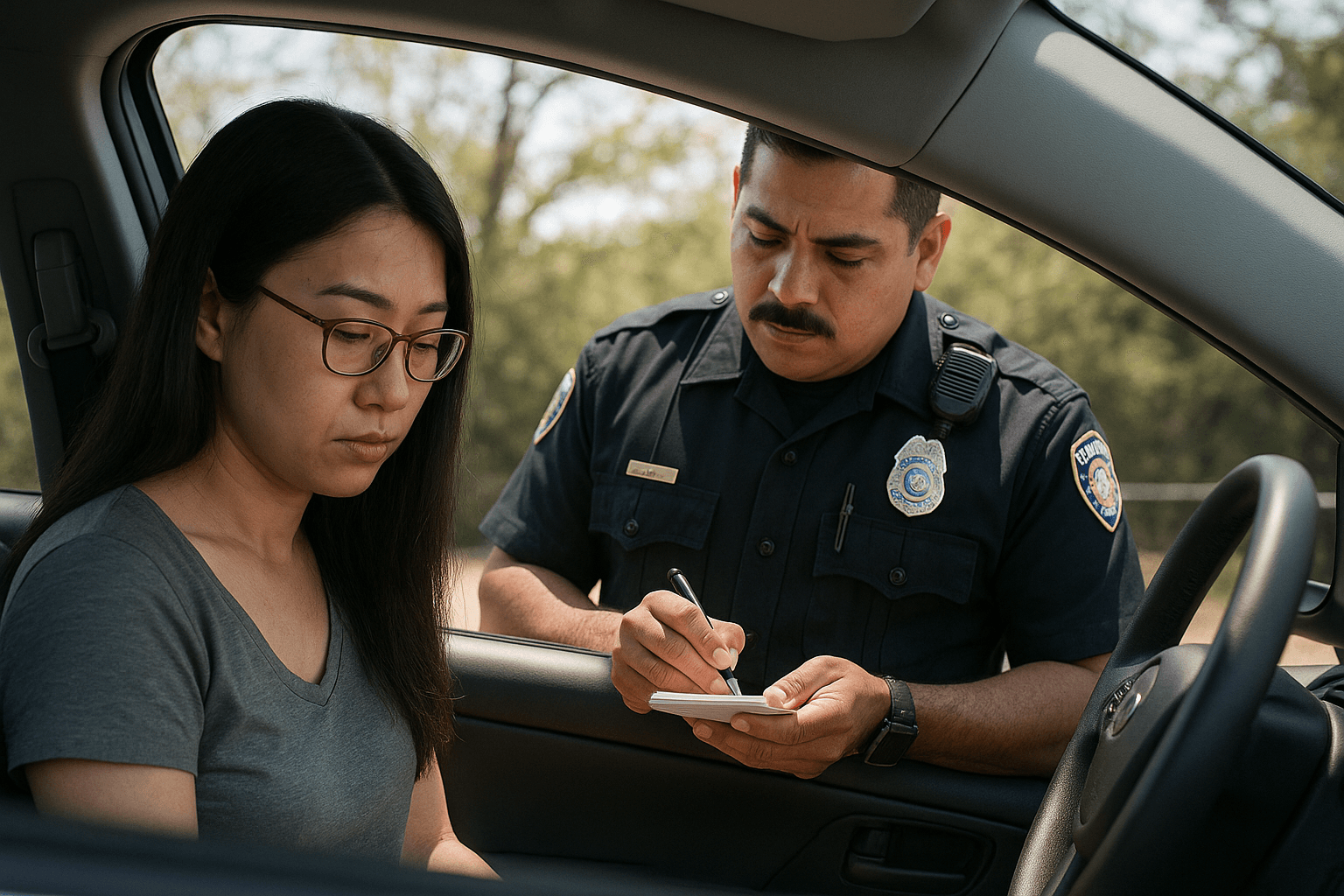
A single speeding ticket in South Carolina does not automatically require SR-22 filing. The confusion comes from mixing two separate systems: the citation itself and the points or suspension status that follows. If the ticket adds points that push your total past 12 within a 12-month period, or if the speed was high enough to qualify as reckless driving under South Carolina law, you cross into territory where SR-22 becomes part of reinstatement.
Most routine speeding citations — 10 to 14 mph over the limit — carry 2 points. A 15 to 24 mph violation earns 4 points. Once you hit 25 mph or more over the posted speed, South Carolina typically charges reckless driving, which carries 6 points and brings you dangerously close to suspension thresholds. The SCDMV suspends your license when you accumulate 12 or more points in 12 months. That suspension — not the ticket itself — is what triggers the SR-22 requirement.
Compare car insurance rates in your state
Get quotes from licensed carriers — no obligation, no spam, results in minutes.
Get Your Free QuoteSC License Suspension Threshold
12 points
South Carolina suspends your license when you accumulate 12 or more points within any 12-month period. Speeding 25+ mph over the limit adds 6 points in a single violation, putting you halfway to suspension immediately.
South Carolina Department of Motor Vehicles
The Two Suspension Paths That Require SR-22
South Carolina uses two separate mechanisms to suspend drivers after speeding violations, and both require SR-22 for reinstatement. The first is point accumulation: hit 12 points and the SCDMV administratively suspends your license for a minimum period tied to your violation history. The second is a direct suspension for reckless driving convictions, which South Carolina courts can impose independent of the point system.
Both paths converge on the same reinstatement requirement. You cannot get your license back without filing an SR-22 certificate with the SCDMV and maintaining it for 3 years from the date of reinstatement. The SR-22 is not insurance — it is a proof-of-insurance certificate your carrier files electronically with the state. Most carriers charge a one-time filing fee to submit it, and you must keep continuous coverage for the entire filing period. If your policy lapses for any reason, the carrier notifies the SCDMV within 24 hours and your license suspends again immediately.
The reinstatement fee for a point-accumulation suspension is $100. If your suspension stems from reckless driving with aggravating factors, you may face additional court-ordered conditions before SCDMV will process reinstatement. These conditions vary by county and are not negotiable through the DMV — you resolve them with the court first.
A single high-speed ticket does not require SR-22 — but if that ticket triggers suspension, SR-22 becomes mandatory for reinstatement and must stay on file for 3 years.
What Happens to Your Insurance After the Ticket

South Carolina carriers typically re-rate your policy at the next renewal after processing the violation. A single 2-point or 4-point speeding ticket does not usually trigger non-renewal from a standard carrier, but it will increase your premium. The size of the increase depends on your carrier's rating tier, your prior driving history, and whether the violation qualifies as a major or minor infraction under their underwriting guidelines. Carriers treat reckless driving violations as major infractions — expect significantly higher premiums or outright non-renewal if that charge sticks.
If your carrier non-renews your policy after the ticket, you move into the non-standard market. Non-standard carriers specialize in writing drivers with violations and will accept your business, but premiums are higher than standard-tier rates. You still satisfy South Carolina's liability insurance requirement, and if you need SR-22 filing, non-standard carriers file it without hesitation. The key is maintaining continuous coverage — any lapse, even one day, resets your SR-22 clock and triggers immediate license suspension.
Related Articles




How to Avoid SR-22 Filing After a Speeding Ticket
The most direct way to avoid SR-22 is to prevent the ticket from pushing you into suspension territory. If this is your first speeding violation in years and the citation carries 2 or 4 points, you stay well below the 12-point threshold and SR-22 never enters the picture. If you already have points on your record, calculate where this ticket puts you. South Carolina allows you to request a driving record from the SCDMV online — check your current point total before the court date.
Some drivers contest the ticket or negotiate a reduction with the solicitor's office. A reduction from reckless driving to a lower-speed citation can cut the point assessment in half, keeping you under the suspension threshold. This is county-specific and depends on the facts of the stop, your driving history, and whether the solicitor's office entertains plea negotiations for traffic cases. If you're already sitting at 8 or 10 points, even a 2-point reduction matters.
South Carolina does not offer point-reduction courses that erase points from your record. Once the points post, they remain for the full lookback period. The 12-month accumulation window is a rolling window — points older than 12 months do not count toward suspension, but they stay on your record for insurance rating purposes for longer. If suspension is unavoidable, focus on satisfying reinstatement requirements as quickly as possible: pay the $100 reinstatement fee, file SR-22 through a willing carrier, and maintain continuous coverage for 3 years.
SC SR-22 Filing Period
3 years
South Carolina requires continuous SR-22 filing for 3 years from the date of license reinstatement. Any lapse in coverage during this period triggers immediate suspension and restarts the filing requirement.
South Carolina Department of Motor Vehicles
Finding Coverage That Files SR-22 in South Carolina
If your speeding violation triggered suspension and you need SR-22 to reinstate, you're shopping in the non-standard market. Carriers writing SR-22 policies in South Carolina include Acceptance Insurance, Bristol West, Dairyland, Direct Auto, GAINSCO, Geico, National General, Progressive, State Farm, The General, and USAA. Not all write every suspended driver — USAA restricts eligibility to military members and their families, and some carriers decline reckless driving cases depending on speed and circumstances.
Non-owner SR-22 policies are common in this market. If you sold your vehicle during suspension or never owned one, a non-owner policy satisfies South Carolina's SR-22 requirement without requiring you to insure a car you don't drive. The policy covers liability when you drive someone else's vehicle. Premiums are lower than standard policies because there's no collision or comprehensive coverage, but the SR-22 filing obligation is identical. Geico, Progressive, Dairyland, GAINSCO, The General, and USAA all write non-owner SR-22 in South Carolina.
Compare Carriers Before You Commit
Rates for SR-22 policies vary significantly by carrier, even for the same driver profile. One carrier's non-standard tier may price your violation differently than another's. The only way to find the lowest premium for your situation is to request quotes from multiple carriers writing SR-22 in South Carolina. Focus on carriers that specialize in high-risk drivers — they price violations more competitively than standard carriers forced into non-standard business.