
Best SR-22 Insurance for High-Risk Drivers — South Carolina
Free to compare
Why South Carolina High-Risk Tier Assignment Blocks Comparison
You received notice that South Carolina requires SR-22 filing, searched for 'best SR-22 insurance for high-risk drivers,' and encountered three problems immediately: carriers that advertise SR-22 reject your application without explanation, quotes from comparison tools span $200–$600 monthly with no pattern, and the term 'high-risk' appears everywhere but means nothing specific about which carrier will accept your case. The confusion is structural. South Carolina carriers do not assign you to a single high-risk tier—they classify by violation trigger.
A DUI suspension, a points-based suspension for reckless driving, and an uninsured motorist suspension all require SR-22 filing in South Carolina, but each routes to different carrier appetites and different tier pricing. The carrier cheapest for DUI cases may not write uninsured suspensions at all. The non-standard carrier accepting your uninsured case quotes $140 monthly while the preferred carrier that rejected you would have charged $220 if they underwrote that trigger. 'High-risk' is a search term, not a market classification. The real question: which carriers write your specific violation type in South Carolina, and at what tier.
“The carrier cheapest for DUI rejects uninsured cases outright. South Carolina SR-22 tier assignment splits by violation type, not suspension fact.”

Compare South Carolina Insurers That File SR-22s
Get My South Carolina SR-22 Auto Insurance Quote3 years
South Carolina SR-22 Filing Period
South Carolina requires SR-22 certification on file for 3 years following DUI conviction, uninsured suspension, or other qualifying violations. The period starts at conviction date for court-ordered suspensions, not the date you file SR-22, meaning delayed filing extends your total restricted period.
South Carolina Department of Motor Vehicles (SCDMV)
South Carolina Carriers Tier by Violation Trigger
South Carolina SR-22 filing routes through three primary violation categories, each handled by different carrier groups. DUI and alcohol-related suspensions fall under Emma's Law provisions, requiring ignition interlock device installation in addition to SR-22, and are written primarily by non-standard carriers with appetite for impaired-driving risks: The General, Direct Auto, GAINSCO, Bristol West, and Dairyland. These carriers price DUI cases at non-standard tier but accept them routinely. Standard-tier carriers like State Farm and Geico write SR-22 for DUI but surcharge heavily—often $300–$500 monthly—because the violation sits outside their preferred risk profile.
Points-based suspensions trigger different carrier behavior. Accumulation of 12 or more points within 12 months suspends your South Carolina license and requires SR-22 at reinstatement, but points suspensions do not carry the ignition interlock mandate DUI cases do. This makes them more acceptable to standard-tier carriers. Progressive, Geico, and National General write points-based SR-22 cases at standard or preferred tier with moderate surcharges. Non-standard carriers still quote competitively here, but the pricing gap narrows because you are not locked out of standard-tier access.
Uninsured motorist suspensions and insurance lapse cases form the third category. South Carolina suspends registration and driver license upon electronic notification of policy cancellation. Reinstatement requires SR-22 proof of continuous coverage going forward. Carriers view lapse history as underwriting risk distinct from moving violations—it signals payment instability rather than driving behavior. Non-standard carriers like Acceptance Insurance, Bristol West, and Dairyland dominate this segment. Standard carriers often decline uninsured cases outright or require 6–12 months of continuous non-owner SR-22 before quoting owner policies.
The carrier cheapest for your DUI case may reject uninsured suspension cases entirely. South Carolina SR-22 tier assignment splits by violation type, not by the fact of suspension.


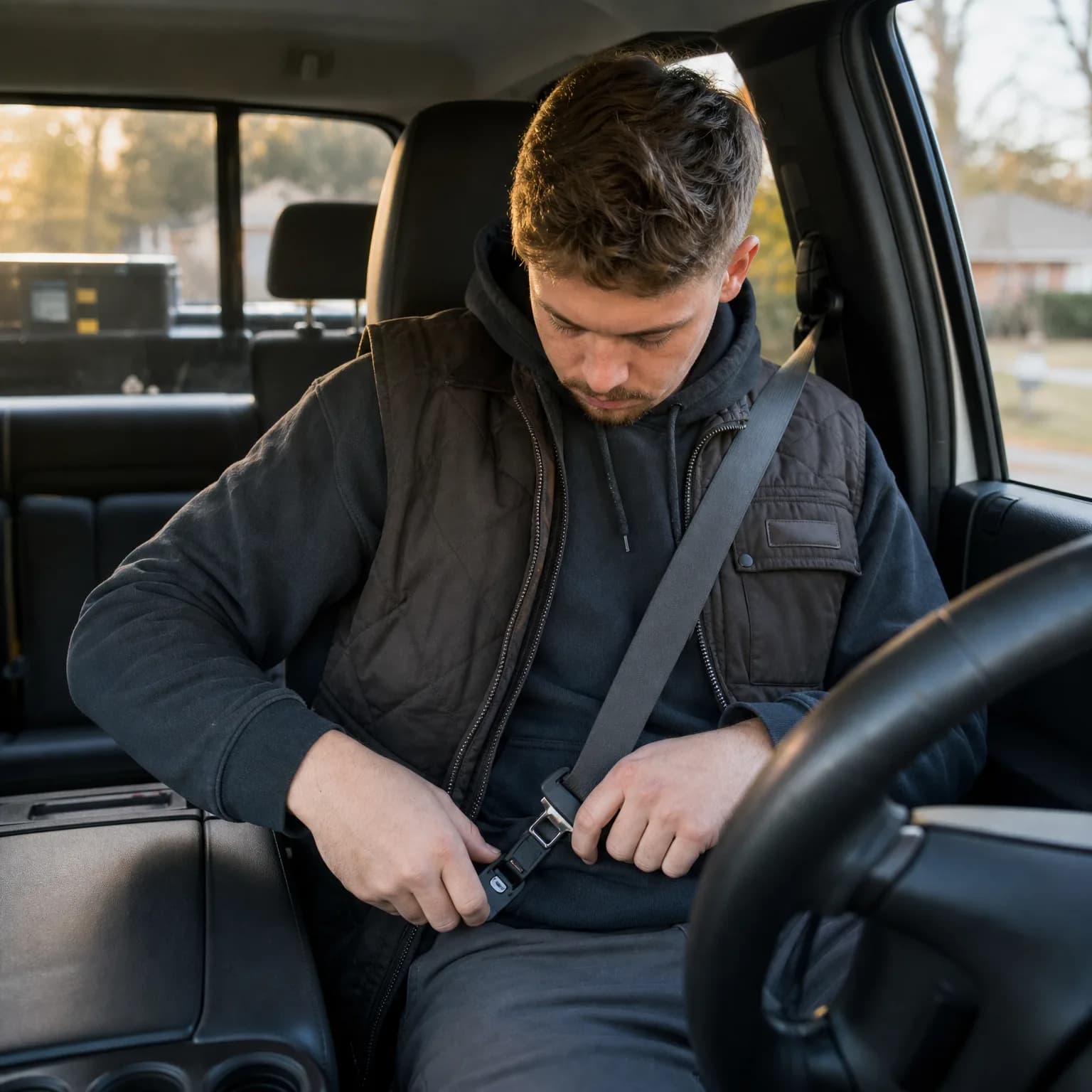

How Non-Owner SR-22 Routes Suspended South Carolina Drivers Back to Standard Tier
South Carolina suspended drivers who do not own a vehicle face a procedural gap: you cannot register a car without a valid license, but reinstatement requires SR-22 proof of insurance, which traditionally attaches to a registered vehicle. Non-owner SR-22 policies resolve this. A non-owner policy provides liability coverage when you drive vehicles you do not own—borrowed cars, rental cars, employer vehicles—and satisfies South Carolina's SR-22 filing requirement without requiring vehicle registration. SCDMV accepts non-owner SR-22 for reinstatement across all suspension types.
Non-owner policies cost significantly less than owner policies because they cover only your liability exposure, not physical damage to a specific vehicle. Typical non-owner SR-22 premiums in South Carolina range $30–$70 monthly for clean-record applicants post-suspension and $85–$140 monthly for DUI or points cases. Geico, Progressive, GAINSCO, Dairyland, and The General all offer non-owner SR-22 policies with online enrollment. Coverage begins immediately upon payment; SR-22 filing transmits to SCDMV electronically within 1–3 business days.
The strategic value of non-owner SR-22 extends beyond reinstatement. Carriers use your non-owner policy history as underwriting input when you eventually apply for an owner policy. Six months of claims-free non-owner SR-22 coverage demonstrates financial responsibility and moves you from non-standard tier to standard tier at many carriers. This path is unavailable to drivers who delay SR-22 filing or attempt reinstatement without maintaining continuous coverage. The clock on your 3-year SR-22 period does not pause—filing non-owner SR-22 immediately after suspension keeps you compliant and positions you for tier upgrade when you are ready to own a vehicle again.
$100
South Carolina Reinstatement Fee
SCDMV assesses a $100 reinstatement fee per suspension. If multiple suspensions are active simultaneously—such as a DUI conviction suspension layered with an implied consent administrative suspension—each requires a separate $100 fee, meaning total reinstatement cost can reach $200 or more before SR-22 and insurance costs.
South Carolina Department of Motor Vehicles

Route Restricted License Requirements Layer Additional Carrier Constraints
South Carolina issues Route Restricted Licenses to eligible suspended drivers, allowing limited driving to work, school, medical appointments, and other court-approved or SCDMV-approved destinations during the suspension period. Obtaining a Route Restricted License requires SR-22 proof of insurance, payment of a $100 application fee to SCDMV, and for DUI cases, installation and proof of an ignition interlock device. The restricted license does not lift your suspension—it creates a legal exception allowing driving only on specified routes and during specified hours.
Carriers handle Route Restricted License applicants inconsistently. Some non-standard carriers—The General, GAINSCO, Bristol West—treat restricted-license status identically to full SR-22 filing and quote without additional underwriting questions. Others require confirmation that the restricted license includes business use or employment as an approved purpose, declining applicants whose approved routes cover only medical or court-ordered purposes. This inconsistency matters because restricted licenses vary widely in scope: one driver's restricted license may authorize 60 hours weekly of work commuting plus errands, while another's covers only 10 hours weekly for medical appointments. The narrower the approved use, the fewer carriers will quote competitively.
Compare South Carolina SR-22 Carriers by Your Violation Trigger
Searching 'best SR-22 insurance' without filtering by violation type produces quotes spanning $140–$600 monthly because you are comparing carriers with entirely different risk appetites. The correct comparison sequence: identify your suspension cause from your SCDMV notice or court order, filter to carriers writing that violation type in South Carolina, request quotes specifying SR-22 filing and your suspension trigger, and compare only the quotes returned from carriers that accepted your application. Declined applications and 'contact us for a quote' responses signal you are outside that carrier's appetite—remove them from comparison.
If your violation is DUI or alcohol-related, quote The General, GAINSCO, Direct Auto, Bristol West, and Dairyland first. These carriers price DUI SR-22 as core business and return binding quotes online. If your suspension stems from points accumulation or a non-alcohol moving violation, add Progressive, Geico, and National General to your comparison—they write points-based SR-22 at competitive standard-tier pricing. If your suspension resulted from uninsured driving or lapsed coverage, prioritize Acceptance Insurance, Bristol West, and Dairyland for non-owner SR-22, then transition to an owner policy after 6–12 months of claims-free coverage. The 'best' SR-22 carrier is the one underwriting your specific South Carolina violation type at the tier your history qualifies for.
Carrier Appetite by South Carolina Violation Type
DUI and alcohol-related violations require ignition interlock under Emma's Law and route almost exclusively to non-standard carriers. The General, GAINSCO, Direct Auto, Bristol West, and Dairyland accept DUI SR-22 cases with online quoting. These carriers price the ignition interlock requirement into base premium and do not treat it as a separate surcharge line item. Standard carriers writing DUI—State Farm, Geico, Progressive—quote 40–60% higher because DUI sits outside their core risk appetite. If you hold an existing policy with a standard carrier at the time of conviction, renewal is often approved but surcharged; new DUI applicants face declination or referral to the carrier's non-standard subsidiary.
Points suspensions and non-DUI moving violations generate competitive quoting from both standard and non-standard tiers. Progressive and Geico write points-based SR-22 at standard tier with accident-forgiveness and bundling discounts still available if you meet tenure thresholds. Non-standard carriers quote 10–20% lower in most cases but offer fewer discount levers. Uninsured and lapse cases concentrate in the non-standard tier. Acceptance Insurance and Bristol West specialize in lapse reinstatement and offer non-owner SR-22 policies for suspended drivers without vehicles. Standard-tier access for uninsured cases requires demonstrating 6–12 months of claims-free SR-22 coverage, typically via a non-owner policy, before upgrading to an owner policy at preferred pricing.
Get Your Free Quote
Get My South Carolina SR-22 Auto Insurance QuoteFrequently Asked Questions
What is the cheapest SR-22 insurance in South Carolina?
The cheapest SR-22 insurance in South Carolina depends on your suspension trigger. For DUI cases, The General, GAINSCO, and Direct Auto typically quote $180–$280 monthly. For points-based suspensions, Progressive and Geico often quote $140–$220 monthly. For uninsured suspensions, non-owner SR-22 policies from Dairyland or Bristol West start at $85–$140 monthly.
How long do I need SR-22 in South Carolina?
South Carolina requires SR-22 filing for 3 years following DUI conviction, uninsured suspension, or other qualifying violations. The 3-year period starts at your conviction date for court-ordered suspensions, not the date you file SR-22. Allowing your SR-22 to lapse during the 3-year period restarts the clock from the date of lapse.
Can I get SR-22 insurance without owning a car in South Carolina?
Yes. Non-owner SR-22 policies satisfy South Carolina's filing requirement without requiring vehicle ownership or registration. Non-owner policies provide liability coverage when you drive vehicles you do not own and cost $30–$140 monthly depending on your violation history. SCDMV accepts non-owner SR-22 for reinstatement across all suspension types.
Does South Carolina require ignition interlock for SR-22?
South Carolina requires ignition interlock devices for DUI-related suspensions under Emma's Law, including first offenses. The interlock requirement applies if you seek a Route Restricted License during suspension or at reinstatement. Non-DUI suspensions—points, uninsured, lapse—do not trigger ignition interlock mandates.
What happens if my SR-22 lapses in South Carolina?
If your SR-22 policy lapses or cancels during the required 3-year filing period, your insurance carrier notifies SCDMV electronically within 24–72 hours. SCDMV suspends your license immediately upon notification. Reinstatement requires filing new SR-22, paying a $100 reinstatement fee, and restarting the 3-year SR-22 period from the lapse date.
Can I switch SR-22 carriers in South Carolina?
Yes. You can switch SR-22 carriers at any time during your 3-year filing period. Your new carrier files SR-22 with SCDMV electronically, and your old carrier files an SR-26 cancellation form. To avoid a coverage gap that triggers suspension, ensure your new policy's SR-22 effective date is the same day or earlier than your old policy's cancellation date.
Do all South Carolina carriers write SR-22 insurance?
No. Many preferred-tier carriers decline SR-22 applications or write them only for existing policyholders. Non-standard carriers like The General, GAINSCO, Bristol West, Dairyland, and Direct Auto specialize in SR-22 cases and accept new applicants regardless of suspension cause. Standard carriers like Geico, Progressive, and State Farm write SR-22 but surcharge heavily for DUI and uninsured cases.