
Non-Owner SR-22 for Borrowed Cars — South Carolina
Free to compare
You Need SR-22 but You're Driving Someone Else's Car
South Carolina suspended your license for driving uninsured or DUI. You don't own a vehicle. The SCDMV reinstatement requirements say you need SR-22 proof of insurance for three years, but you're borrowing a family member's car to get to work. You bought a non-owner SR-22 policy because that's what the agent recommended for drivers without a car — but now you're not certain whether that policy actually covers you when you're behind the wheel of the borrowed vehicle.
This confusion is structural, not a gap in your understanding. Non-owner SR-22 policies serve two purposes that don't always align: they satisfy the state's filing requirement, and they provide liability coverage when you drive a car you don't own. The problem is how those two purposes interact with the borrowed car owner's insurance, and South Carolina's rules around this interaction are specific.
“The car owner's policy pays first — your non-owner SR-22 only covers damage above the owner's liability limits.”
Compare South Carolina Insurers That File SR-22s
Get My South Carolina SR-22 Auto Insurance Quote$25,000 / $50,000 / $25,000
SC Minimum Liability Coverage
South Carolina requires $25,000 bodily injury per person, $50,000 bodily injury per accident, and $25,000 property damage. Your non-owner SR-22 must meet or exceed these minimums to satisfy the SCDMV filing requirement.
SC Code of Laws Title 56, Chapter 10
Non-Owner SR-22 Is a Filing Certificate, Not Primary Coverage
The SR-22 certificate itself is not insurance. It is an electronic filing your carrier submits to SCDMV certifying that you hold a liability policy meeting South Carolina's minimum requirements. A non-owner SR-22 policy combines that filing with liability coverage designed for drivers who do not own a vehicle. The policy covers you when you drive a car you do not own and do not have regular access to — rentals, borrowed cars on an occasional basis, or employer-provided vehicles in some cases.
Here is the structural reality: when you drive a borrowed car, the car owner's insurance policy is primary. Your non-owner policy is secondary, meaning it only pays after the owner's policy limits are exhausted. If you cause an accident in a borrowed car and the damages exceed the owner's liability limits, your non-owner policy covers the remainder up to your policy's limits. If the damages stay within the owner's limits, your non-owner policy pays nothing.
This creates a coverage gap most suspended drivers do not anticipate. The non-owner SR-22 satisfies SCDMV's filing requirement — the certificate proves continuous coverage — but it does not function as your primary liability protection when you're driving the borrowed car. The owner's policy does that job. If the owner's policy lapses, or if the owner excluded you as a driver on their policy, your non-owner coverage may become primary by default — but that is not the scenario the policy was designed for.
The car owner's policy pays first. Your non-owner SR-22 only covers damage above the owner's liability limits, which means you're relying on someone else's coverage to stay compliant.



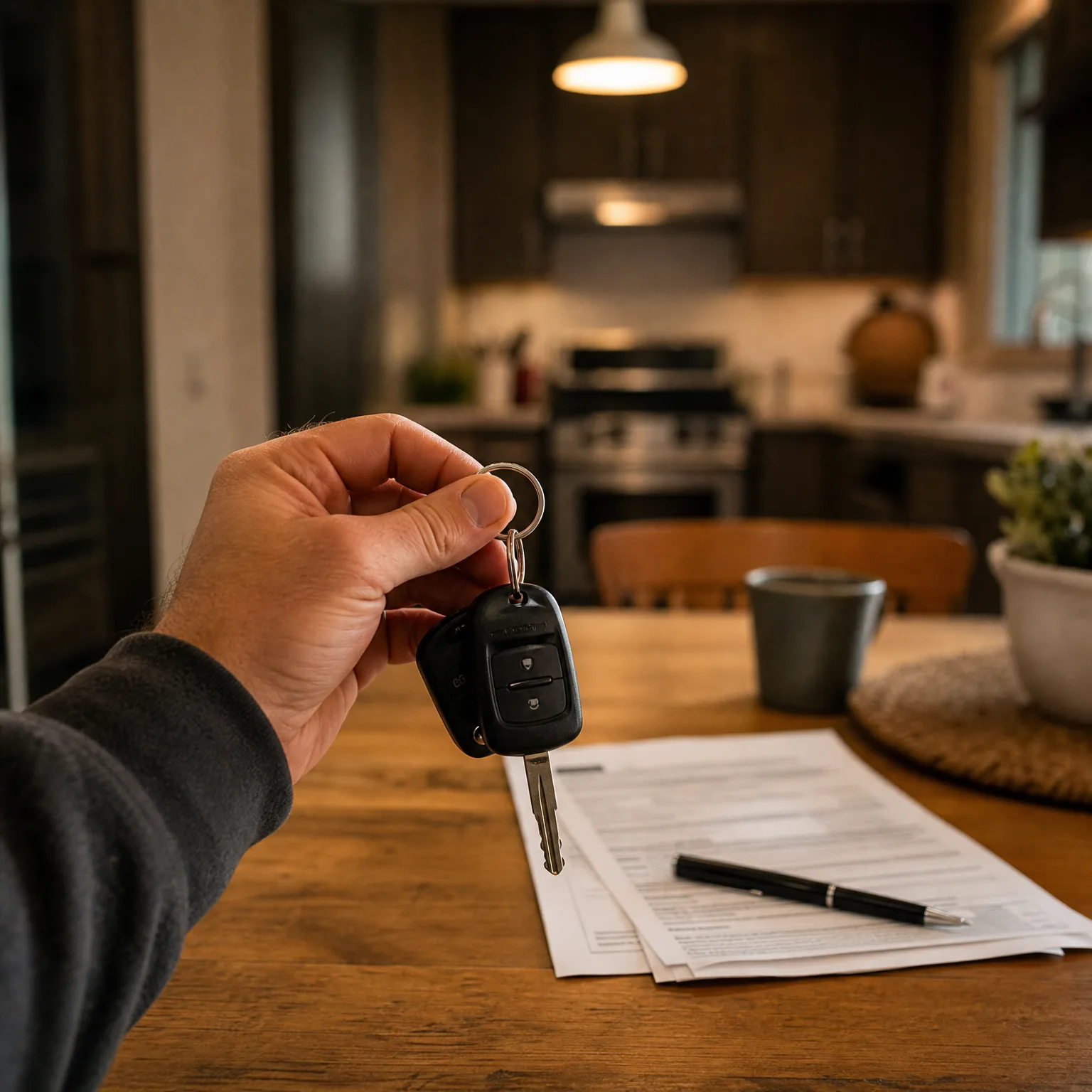

Tell the Car Owner You Have Non-Owner SR-22 Coverage
The car owner needs to know you carry a non-owner SR-22 policy. Some owners assume your SR-22 policy covers you fully when you drive their car and do not realize their own policy is still primary. If they let their coverage lapse or exclude you as a driver on their policy application, both of you lose coverage in an accident scenario — your non-owner policy will not cover a car you have regular access to, and their policy is either inactive or excludes you by name.
South Carolina does not require the car owner to add you as a named driver on their policy if you're only borrowing the car occasionally, but adding you by name removes ambiguity. Named driver status ensures the owner's carrier cannot later claim you were driving without permission or that you had regular access and should have been disclosed during the policy application. If the owner's carrier discovers you're a suspended-license driver with regular access to the vehicle and you were not disclosed, the carrier can rescind coverage retroactively for material misrepresentation.
If the car owner refuses to add you or cannot afford the premium increase that comes with adding a suspended-license driver, you need a different arrangement. Borrowing the car occasionally — once or twice per month — generally stays within non-owner policy terms. Driving it daily to work does not. The bright line is whether the arrangement looks like regular use.
3 years
SC SR-22 Filing Period
South Carolina requires SR-22 filing for three years after a DUI conviction or uninsured driving suspension, measured from the reinstatement date. Your non-owner SR-22 must remain active for the entire period — any lapse triggers a new suspension and restarts the three-year clock.
SCDMV Reinstatement Requirements

Non-Owner SR-22 Does Not Cover the Borrowed Car Itself
Non-owner liability policies cover damage you cause to other people and their property. They do not cover damage to the car you're driving. If you total the borrowed car in an at-fault accident, your non-owner SR-22 policy pays nothing for the vehicle you were driving — only for the other driver's car and injuries. The borrowed car owner's collision or comprehensive coverage would cover damage to their own vehicle, assuming they carry those coverages. If they carry only liability, the car's damage is uninsured.
This matters if the car owner has an auto loan or lease. Lenders require collision and comprehensive coverage on financed vehicles. If the car is totaled and the owner did not carry collision coverage, the lender will demand payment in full and the owner has no insurance payout to cover the loss. Your non-owner policy does not fix this gap. Some car owners mistakenly believe that because you carry SR-22 coverage, you're covered for everything — but non-owner SR-22 is liability-only by design.
Check Whether Your Route Restricted License Allows Borrowed Car Use
South Carolina offers a Route Restricted License for suspended drivers who qualify — the hardship license allows driving to work, school, medical appointments, and other essential travel on SCDMV-defined or court-defined routes. If you hold a Route Restricted License, verify whether the court order or SCDMV restriction document specifies whose vehicle you are allowed to drive. Some restricted licenses name a specific vehicle by VIN; others allow any vehicle as long as you stay within the approved routes and purposes.
If your Route Restricted License names a specific vehicle and you're now borrowing a different car, you may be driving outside your restriction terms even if your route and purpose comply. Violating Route Restricted License terms triggers immediate revocation in South Carolina, and reinstatement after a hardship revocation often requires restarting the suspension period from the beginning. Confirm the vehicle restriction language in your court order or SCDMV letter before assuming the borrowed car is covered under your restricted license. If the restriction names a specific VIN, petition the court or SCDMV to amend the order to add the borrowed vehicle, or switch back to the originally approved vehicle.
What Happens If the Borrowed Car Owner's Policy Lapses
Non-owner policies explicitly exclude vehicles you have regular access to. Regular access is defined by the carrier, but the threshold is typically whether you drive the car more than a few times per month or whether the vehicle is garaged at your residence. If you live with the car owner or drive their car to work every day, most carriers will consider that regular access and deny coverage under your non-owner policy if a claim arises. The exclusion exists because non-owner policies are priced for occasional use, not daily commuting.
If the borrowed car owner's policy lapses and you continue driving that vehicle, you are now driving a car you have regular access to without primary coverage. Your non-owner SR-22 filing remains active with SCDMV — the certificate does not lapse — but the underlying coverage may not protect you in an accident. If the car owner cannot reinstate their policy immediately, you face a choice: stop driving the car, or ask the owner to add you as a named driver on their reinstated policy and accept that your non-owner policy will not cover you as primary while you're behind the wheel of that specific vehicle.
Get Your Free Quote
Get My South Carolina SR-22 Auto Insurance QuoteFrequently Asked Questions
Does non-owner SR-22 cover me when I drive my spouse's car in South Carolina?
Your non-owner SR-22 policy is secondary when you drive your spouse's car — your spouse's policy pays first. If you live together and drive the car regularly, most carriers consider that regular access and your non-owner policy may not cover you at all. Your spouse should add you as a named driver on their policy to avoid coverage gaps.
Can I get SR-22 on someone else's car if I don't own a vehicle?
No. SR-22 attached to a standard auto policy requires you to be the vehicle owner or a named driver on the owner's policy. Non-owner SR-22 is the correct product when you don't own a car — it satisfies South Carolina's filing requirement without naming a specific vehicle.
What happens if I let my non-owner SR-22 policy lapse in South Carolina?
Your carrier notifies SCDMV electronically within 24 hours of the lapse. SCDMV suspends your license immediately and your three-year SR-22 filing period restarts from the date you reinstate coverage and pay the $100 reinstatement fee. There is no grace period.
Does non-owner SR-22 cover rental cars in South Carolina?
Yes. Non-owner SR-22 provides liability coverage when you drive a rental car, as long as you're not renting the same vehicle repeatedly for extended periods. The rental company's collision damage waiver is separate — your non-owner policy does not cover damage to the rental car itself, only liability for damage you cause to others.
Can I buy non-owner SR-22 if I have a DUI conviction in South Carolina?
Yes. South Carolina requires SR-22 filing for three years after a DUI conviction, and non-owner SR-22 is available to DUI offenders who don't own a vehicle. Rates are higher for DUI drivers — typically $60–$110 per month — but non-owner SR-22 is the correct product if you're borrowing cars or using rentals during your filing period.