
SR-22 Without a Car — South Carolina
Free to compare
Why You Need SR-22 Without Owning a Vehicle
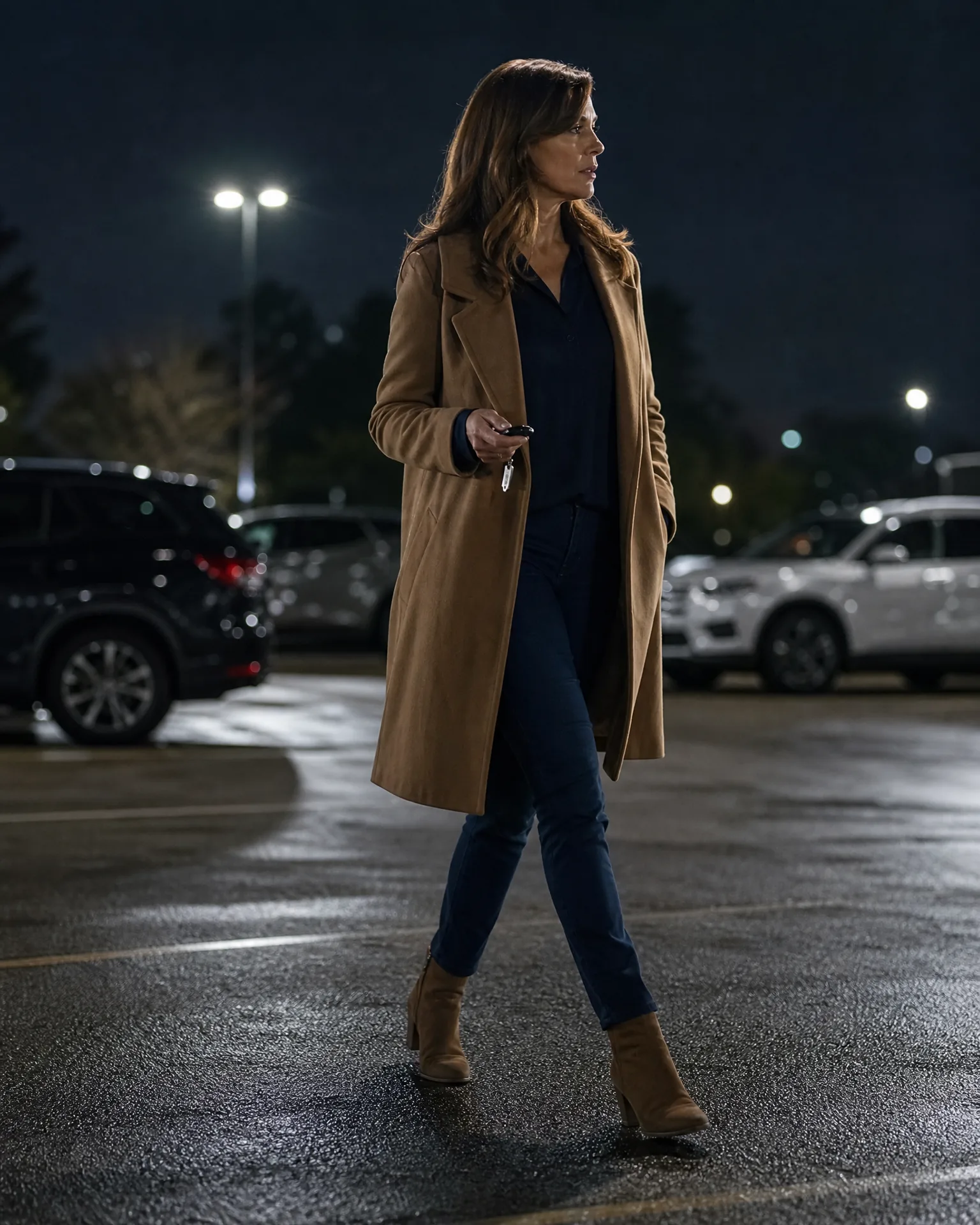
Your South Carolina license was suspended for DUI, driving uninsured, or accumulating too many points. SCDMV told you that reinstatement requires SR-22 proof of insurance. You sold your car during the suspension, you're using rideshare or public transit, or you never owned a vehicle in the first place. Now you're stuck: every insurance agent you call asks for your vehicle's VIN, and you don't have one to give them.
Non-owner SR-22 insurance solves this structural problem. It's a liability policy that covers you as a driver when you operate vehicles you don't own — borrowed cars, rental cars, occasional use of a friend's vehicle. The policy includes the SR-22 certificate filing that SCDMV requires, but it does not insure a specific vehicle registered in your name. South Carolina accepts non-owner SR-22 filings for license reinstatement purposes as long as the coverage meets the state's minimum liability limits.
“Non-owner SR-22 satisfies SCDMV's insurance proof requirement without requiring you to insure a car you don't own.”
Compare South Carolina Insurers That File SR-22s
Get My South Carolina SR-22 Auto Insurance Quote$25–$50/month
SC Non-Owner SR-22 Premium
Non-owner SR-22 policies in South Carolina typically cost $25–$50 per month for state minimum liability coverage, significantly less than standard SR-22 policies because there is no vehicle to insure for collision or comprehensive damage. Individual rates vary by violation history and carrier underwriting.
Estimates based on available carrier rate data; individual rates vary.
How Non-Owner SR-22 Meets South Carolina Reinstatement Requirements
South Carolina Code § 56-10-225 requires proof of financial responsibility for reinstatement after certain suspensions. The statute does not mandate vehicle ownership — it mandates liability coverage. Non-owner SR-22 satisfies this requirement because it proves you carry the minimum bodily injury and property damage liability South Carolina requires: $25,000 per person, $50,000 per accident, $25,000 property damage.
When a carrier issues a non-owner SR-22 policy, they electronically file the SR-22 certificate with SCDMV's Insurance Verification System. SCDMV receives confirmation that you hold active liability coverage. The system does not distinguish between vehicle-specific and non-owner policies — both satisfy the insurance proof requirement. The SR-22 filing remains active as long as you maintain continuous coverage and pay premiums on time.
SCDMV requires SR-22 filing for three years after DUI convictions and certain uninsured motorist violations. If your non-owner policy lapses or cancels during the filing period, the carrier notifies SCDMV electronically, and your license can be re-suspended. Continuous coverage for the entire three-year period is mandatory.
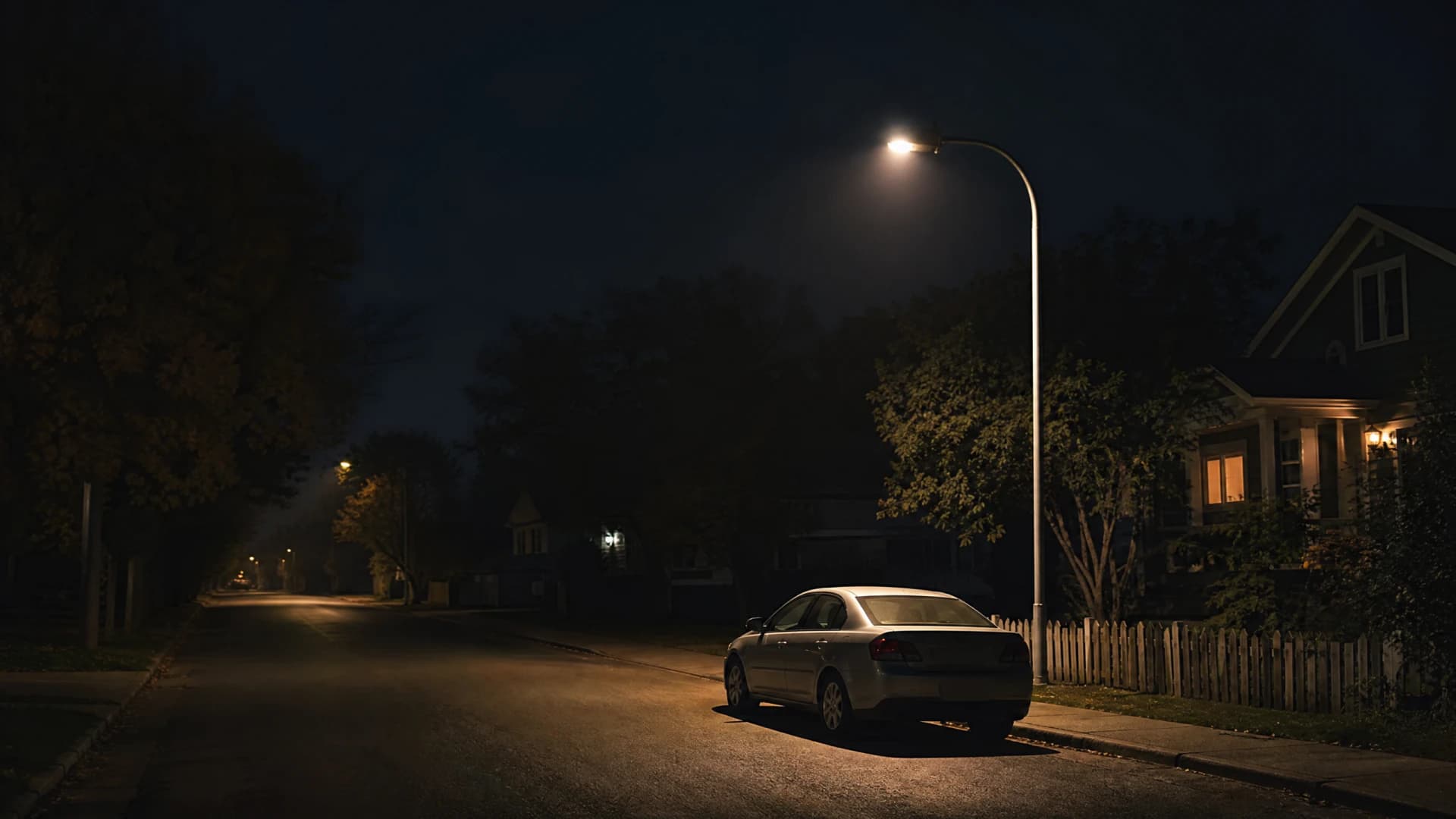
Non-owner SR-22 does not cover vehicles you own or vehicles registered in your household — if you buy a car or move in with someone who owns a car, you must switch to a standard SR-22 policy immediately or risk coverage gaps.

Which Carriers Write Non-Owner SR-22 in South Carolina
Not every carrier offers non-owner policies, and not every carrier writing non-owner coverage will file SR-22. South Carolina carriers confirmed to write non-owner SR-22 include Geico, Progressive, Dairyland, GAINSCO, The General, and USAA (for eligible members). State Farm writes SR-22 in South Carolina but does not consistently offer non-owner policies — you must ask a local agent. Allstate, Nationwide, and Farmers do not advertise non-owner SR-22 availability on their South Carolina sites as of current data.
Rates vary significantly by carrier and violation type. DUI suspensions produce higher non-owner SR-22 premiums than uninsured motorist suspensions because DUI signals higher risk to underwriters. GAINSCO and Dairyland specialize in high-risk driver coverage and typically quote non-owner SR-22 for DUI cases when standard carriers decline. Progressive and Geico often offer the lowest rates for drivers with clean records who need SR-22 only because of an insurance lapse.
You do not need to visit an agent in person. Geico, Progressive, and The General quote non-owner SR-22 online. GAINSCO and Dairyland require phone quotes. Once you purchase a policy, the carrier files the SR-22 certificate electronically with SCDMV within 24 to 48 hours. You receive a paper copy for your records, but SCDMV processes the electronic filing — you do not need to deliver the certificate yourself.
3 years
SC SR-22 Filing Duration
South Carolina requires SR-22 filing for three years following DUI convictions and certain uninsured motorist violations, measured from the date SCDMV receives the initial SR-22 filing. The three-year clock does not start until you file — delaying SR-22 after reinstatement eligibility only extends the total time you must maintain the filing.
SC Code § 56-10-270
When Non-Owner SR-22 No Longer Works
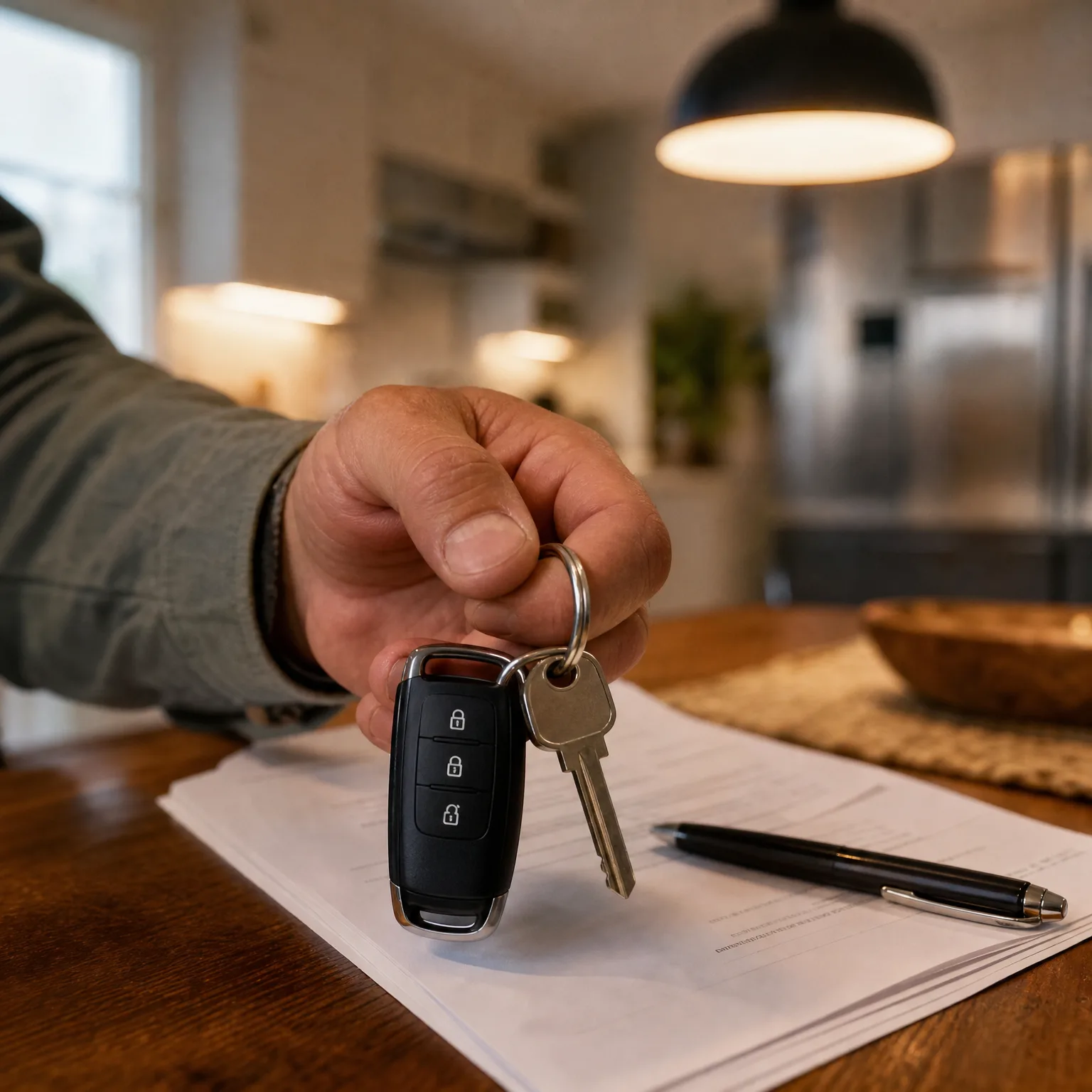
If you purchase a vehicle or register a vehicle in your name at any point during the three-year SR-22 filing period, you must immediately convert your non-owner policy to a standard SR-22 policy covering that vehicle. Non-owner policies explicitly exclude coverage for owned vehicles. If you cause an accident while driving a car you own but only hold a non-owner policy, your carrier will deny the claim and SCDMV will consider you uninsured — triggering a new suspension.
Moving into a household where someone else owns a car creates the same problem. Non-owner policies exclude regular use of household vehicles. If you live with a spouse, parent, or roommate who owns a car and you drive that car regularly, most carriers require you to be listed on the household policy as a rated driver. Staying on a non-owner policy in that situation voids coverage. Call your carrier immediately when your living situation or vehicle access changes — they will tell you whether you need to switch policy types.
Get Non-Owner SR-22 Coverage That Meets South Carolina Requirements
Start by comparing quotes from carriers that write non-owner SR-22 in South Carolina: Geico, Progressive, Dairyland, GAINSCO, The General, and USAA. Request quotes specifically for non-owner SR-22 liability at South Carolina minimums ($25,000/$50,000/$25,000). Verify the carrier will file electronically with SCDMV and confirm the three-year filing period starts when SCDMV receives the certificate, not when you purchase the policy. Once you bind coverage, the carrier handles the SR-22 filing — SCDMV updates your reinstatement eligibility status within two to five business days of receiving the electronic filing. Maintain continuous coverage for the full three years to avoid re-suspension. See how SR-22 filing works in South Carolina or review South Carolina reinstatement requirements for detailed state-specific timelines and costs.
What Non-Owner SR-22 Actually Covers
Non-owner SR-22 covers bodily injury and property damage liability when you drive a vehicle you do not own. If you borrow a friend's car and cause an accident, your non-owner policy pays for the other driver's medical bills and vehicle damage up to your policy limits. It does not cover damage to the car you were driving — that car's owner must carry collision coverage if they want their vehicle repaired. Non-owner policies also exclude coverage for vehicles you use regularly or vehicles owned by household members.
Rental cars fall into a gray area. Non-owner SR-22 provides liability coverage when you rent a car, but it does not cover damage to the rental vehicle itself. Rental companies offer collision damage waivers at the counter; if you decline that coverage and damage the rental car, you pay out of pocket. Your non-owner policy would still cover liability if you injure someone or damage their property while driving the rental, but the rental company will bill you directly for the vehicle's repair costs.
Get Your Free Quote
Get My South Carolina SR-22 Auto Insurance QuoteFrequently Asked Questions
Can I get SR-22 insurance in South Carolina if I don't own a car?
Yes. Non-owner SR-22 insurance provides liability coverage when you drive vehicles you don't own and includes the SR-22 certificate filing SCDMV requires for reinstatement. Carriers writing non-owner SR-22 in South Carolina include Geico, Progressive, Dairyland, GAINSCO, The General, and USAA.
How much does non-owner SR-22 cost in South Carolina?
Non-owner SR-22 policies in South Carolina typically cost $25–$50 per month for state minimum liability coverage. Rates vary by carrier, violation type, and driving history. DUI suspensions produce higher premiums than uninsured motorist violations.
Does non-owner SR-22 cover rental cars in South Carolina?
Non-owner SR-22 covers liability when you rent a car, but it does not cover damage to the rental vehicle itself. You remain responsible for collision damage to the rental car unless you purchase the rental company's damage waiver at the counter.
What happens if I buy a car while holding a non-owner SR-22 policy?
You must immediately convert your non-owner SR-22 policy to a standard SR-22 policy covering the vehicle you purchased. Non-owner policies exclude coverage for owned vehicles. Driving a car you own with only a non-owner policy voids coverage and can trigger a new suspension.
How long do I need to maintain non-owner SR-22 in South Carolina?
South Carolina requires SR-22 filing for three years after DUI convictions and certain uninsured motorist violations. The three-year period starts when SCDMV receives the initial SR-22 filing. You must maintain continuous coverage for the entire period to avoid re-suspension.
Can I switch from non-owner SR-22 to a regular policy if I buy a car later?
Yes, but you must make the switch immediately when you purchase or register a vehicle. Call your carrier as soon as you buy a car — they will convert your non-owner policy to a standard SR-22 policy covering the new vehicle. Any gap in coverage or delay in switching policy types risks suspension.